The Shared Kit List: How UK Backline Libraries Are Turning Maybe Into Yes
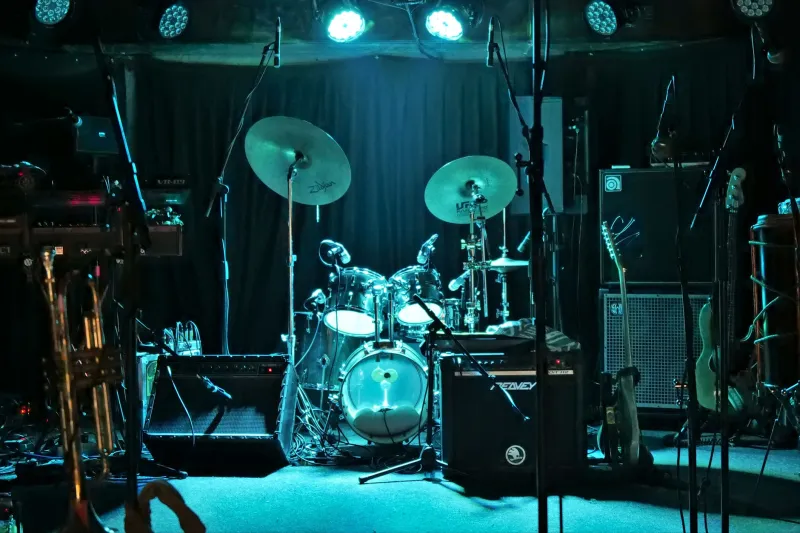
There’s a particular kind of gig offer that used to end in a sigh. A promoter emails on a Tuesday: support slot, decent room, good crowd, doors at seven. The fee is small but fair. Then you read the small print — backline provided, but only drums and bass amp; bring your own everything else. Your guitarist has a combo held together by gaffer tape, your drummer’s car is off the road, and the rehearsal room kit is booked out until Friday. In 2026, that story is changing, quietly and practically, because the UK’s backline libraries are getting better at being useful.
What a backline library actually is
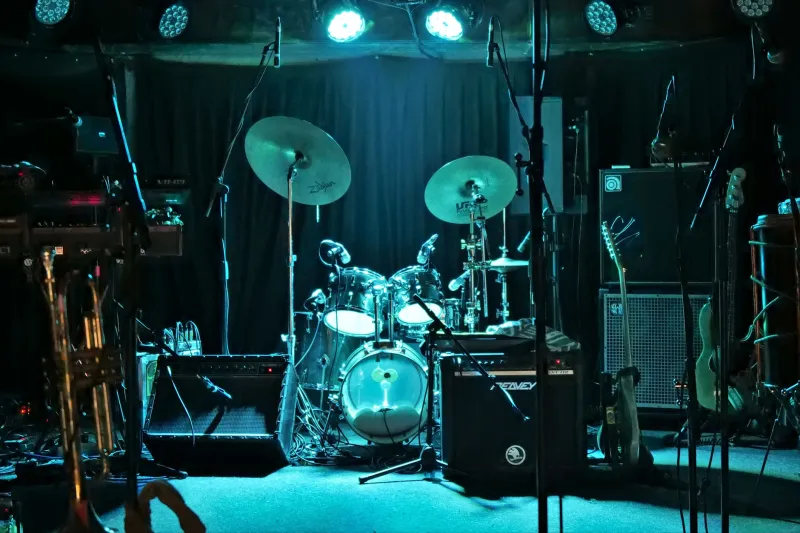
Forget the image of a dusty cupboard behind a venue office. The modern backline library is a bit of a hybrid. Some are run by city music hubs and community studios, with shelves of drum shells, guitar combos, bass cabs, keyboards, stands, DI boxes and the unglamorous cables that make a gig work. Others are artist-run kit shares: a few bands pooling a trailer, a lock-up and a spreadsheet. A handful are attached to rehearsal rooms or grassroots venues, lending to people who already hire a room or play the stage.
The key difference from a commercial hire shop is intent. These schemes are usually designed to remove a specific barrier — not to kit out a stadium tour. They exist so a band can say yes to a show that would otherwise be a no because the van is empty and the budget is tight.
Why they’re having a moment
The economics of grassroots gigging have become weirdly front-loaded. Travel costs, parking, load-in time and insurance all bite before anyone has played a note. At the same time, venue backline has become patchier. Some rooms still have a house kit that’s looked after; others have a kick drum, a suspicious bass amp and a prayer. Promoters often ask acts to bring more than they used to, which is fine if you have a car and a spare cab, and a nightmare if you don’t.
Backline libraries don’t solve touring. They solve the smaller, more common problem: the one-off show, the support slot, the festival warm-up, the recording session that needs a different amp for two days. They also fit the mood of the scene. Sharing kit is cheaper, less wasteful and more sociable than every band buying a backup rig they use four times a year.
How the money usually works
There’s no single model. Some libraries charge a small annual membership, then a per-item loan fee. Others take a deposit and a flat daily rate. A few operate on a sliding scale, with lower costs for under-18s, low-income artists or bands playing free-entry shows. Some ask for volunteer hours instead of cash — helping with maintenance, sorting cables, staffing an open day.
As a rough guide, borrowing a drum shell pack or a decent combo for a local show should usually cost less than a commercial hire, especially once you factor in deposits and transport. But the cheapest option isn’t always the right one. Ask what’s included: stands? Pedals? Power cables? A spare snare? Delivery? Cleaning? The difference between a bargain and a false economy is often a tenner’s worth of missing hardware.
The pre-borrow checklist
Before you reserve anything, get specific. Ask for photos of the actual item, not a stock image. Check the model number and dimensions — a 2x12 cab that fits in one car boot may not fit in yours. Confirm power requirements for anything electronic, and ask whether the library has tested it recently. If you’re borrowing a drum kit, ask about shell sizes, hardware and whether cymbals are included. If it’s an amp, ask about valves, speakers and whether it’s been serviced.
Then check the boring stuff. What’s the insurance position if the gear is damaged or stolen? Who is responsible during transit? What’s the late-return policy? Do you need to provide your own covers or cases? Is there a cleaning fee? And perhaps most importantly: what’s the collection and return window? A library that closes at five on a Friday is no use if your gig is in another city on Saturday morning.
The etiquette bit
Shared kit runs on trust, and trust runs on boring behaviour. Label your own cables. Don’t return a snare with a story about how it sounded better detuned. Report faults immediately, even if you think they’re minor. Clean what you use, coil what you coil, and return things when you said you would. The bands that get first refusal on the good stuff are rarely the loudest; they’re the ones who bring it back on time with a note saying the jack socket is crackling.
Why it matters beyond one gig
A backline library is not just a cupboard of amps. It’s a small piece of infrastructure that lets a scene behave more like a scene. It helps new promoters book acts without asking them to own a van’s worth of equipment. It lets bands test gear before buying. It keeps usable equipment in circulation instead of in a landfill or a lock-up. And it makes the difference between a maybe and a yes feel less like luck.
If you’re trying to find one, start local. Ask your rehearsal room, your nearest music hub, the promoter who runs the midweek gig, or the artist-run group chat that always knows where a spare bass head is. They’re not all listed in one place, and they’re not all glamorous. But in 2026, they’re becoming part of how the UK scene actually works — one borrowed cab at a time.