The Booth Test: Why UK Dance Producers Are Cutting Twelve-Inches Again
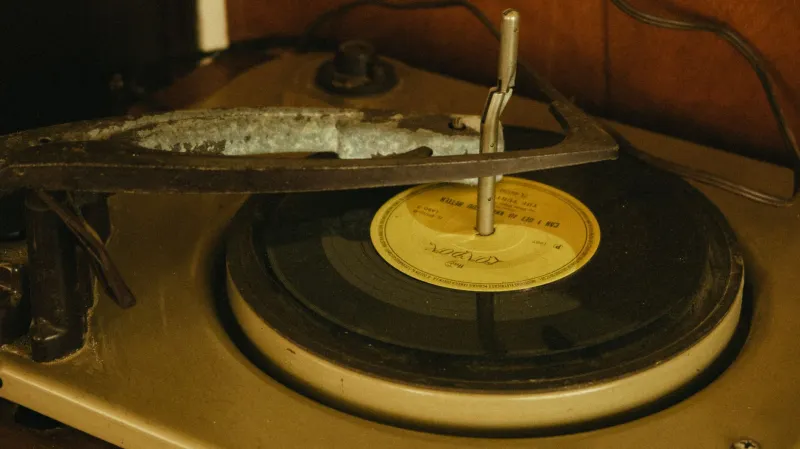
There's a moment, somewhere past 2am, when a record either lands or it doesn't. The crowd doesn't check a screen. The DJ doesn't get a skip-rate. Either the room moves or the room stands still. That moment — the booth test — is why a growing number of UK dance producers are cutting twelve-inch singles again.
This isn't a vinyl revival story in the nostalgic sense. Nobody is mourning the CD. Nobody is pretending streaming doesn't exist. The twelve-inch is back because it does a job that a playlist can't: it gets a track into the hands of the people who actually break it in a club, and it gives those people a reason to play it properly.
A run of 300 is a marketing budget
Pressing a twelve-inch in the UK right now is not cheap. Depending on the plant, a run of 300 with a plain sleeve will set you back somewhere between £1,200 and £1,800, and lead times still stretch to eight or twelve weeks. Add a screen-printed sleeve, a mastering session cut for loudness and bass, and a white-label run for DJs, and you're looking at a real spend.
So why do it? Because a twelve-inch is a focused piece of promo. A digital release disappears into the feed. A record arrives at a shop, gets a test pressing sent to a handful of DJs, and starts a conversation. If it works, the track gets played out for months before it ever charts anywhere. If it doesn't, you've lost less than a decent video shoot.
Labels have noticed. The ones leading this charge aren't the heritage imprints — they're small, artist-run operations that treat the twelve-inch as a business card, a calling card and a quality filter all at once.
Built for the blend, not the buffer
Listen closely to the twelve-inches coming out of the UK right now and you'll hear a different approach to arrangement. These tracks are built for the mix. They tend to open with a long, percussive intro — sixteen bars minimum, often more — so a DJ can blend it in without racing to the drop. The vocal, if there is one, might not arrive for two minutes. The B-side often carries a dub, a stripped-back version, or a locked groove that lets a DJ loop a single bar indefinitely.
That's a world away from the three-minute, front-loaded structure that works on streaming. A track built for the buffer needs a hook in the first fifteen seconds. A track built for the booth needs an exit, an entry, and room to breathe. The producers making this shift are thinking about the space between records, not just the record itself.
The labels pressing the point
A handful of UK labels have made the twelve-inch their whole identity. Shelf Life, based in Bristol, puts out one-sided pressings with screen-printed sleeves and a hand-stamped label — no digital release for the first month. Booth Priority in Leeds runs a subscription model: four twelves a year, no tracklist revealed until they ship, and a strict rule that nothing goes to streaming until the vinyl has sold through.
In London, Third Press has become a quiet force by pressing two tracks per release and letting the B-side do the heavy lifting. Up in Manchester, Cut & Run specialises in split twelves — one side from an established name, one from a newcomer — and presses them on recycled vinyl with a plain white sleeve. The message is clear: the music is the object.
Shops, test pressings and the DJ network
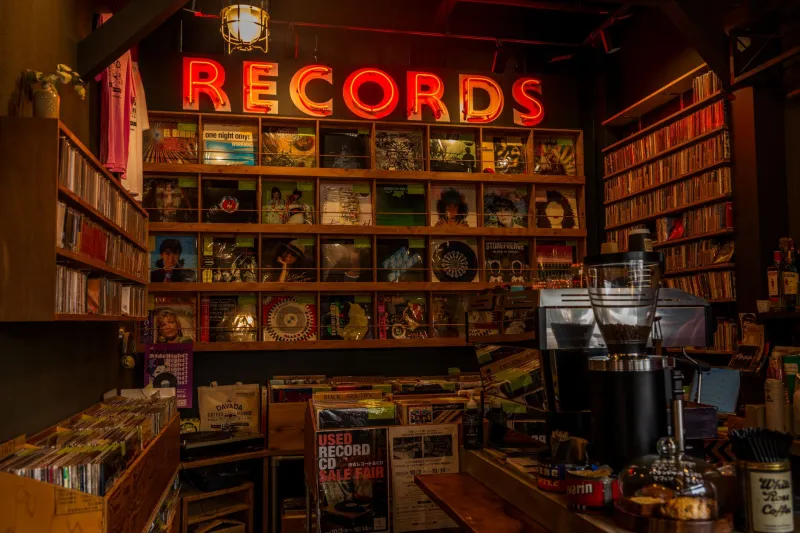
You can't talk about this without talking about the shops. Rubadub in Glasgow, Phonica in London, Piccadilly Records in Manchester — these are the places where a twelve-inch actually gets heard before it gets bought. Most of them receive test pressings directly from the labels, and most of them have a small network of DJs who come in, listen, and report back.
That feedback loop matters. A producer in Sheffield can press 300 copies, send five to a shop in Bristol, and hear within a week whether the track is working on a dancefloor. That's faster and more useful than watching a Spotify playlist add do nothing. The twelve-inch is a physical test of a physical experience.
Six 2026 twelve-inches worth hunting down
- Mara Vex — Late Bus (Shelf Life) — 128 BPM, deep and dubby, with a vocal that arrives three minutes in and disappears just as fast. The B-side dub is the one DJs are actually playing.
- Owen Flitcroft — Tunnel Vision (Booth Priority) — two tracks, both under six minutes, both built around a single filtered chord. Pressed on clear vinyl, limited to 200.
- Nia Gable — Soft Power (Third Press) — a broken-beat A-side and a four-four B-side, both cut loud. The kind of twelve that sounds better the harder you push it.
- The Cut & Run Allstars — Press On (Cut & Run) — a split twelve with a newcomer on one side and a veteran on the other. No names on the label, just a stamp.
- Yarrow — Ground Floor (Shelf Life) — one-sided, screen-printed sleeve, locked groove at the end. Made for long blends and late hours.
- Dexta Blue — Two Rooms (Third Press) — the most melodic of the bunch, but still built for the booth. The intro runs for two minutes before the bass arrives.
The comeback that isn't
It's tempting to call this a revival, but that's not quite right. The twelve-inch never went away — it just stopped being the default for a certain tier of dance music. What's happening in 2026 is a correction. Streaming is the shop window. The twelve-inch is the workbench. Producers are learning to use both, and the ones doing it well are treating the club as the real release date.
So next time you're in a record shop and you see a plain white sleeve with a hand-stamped label, pick it up. Someone pressed that for a reason. The reason is probably playing it out.