The Fiver Door: Why UK Micro-Gigs Are Hiding in Plain Sight
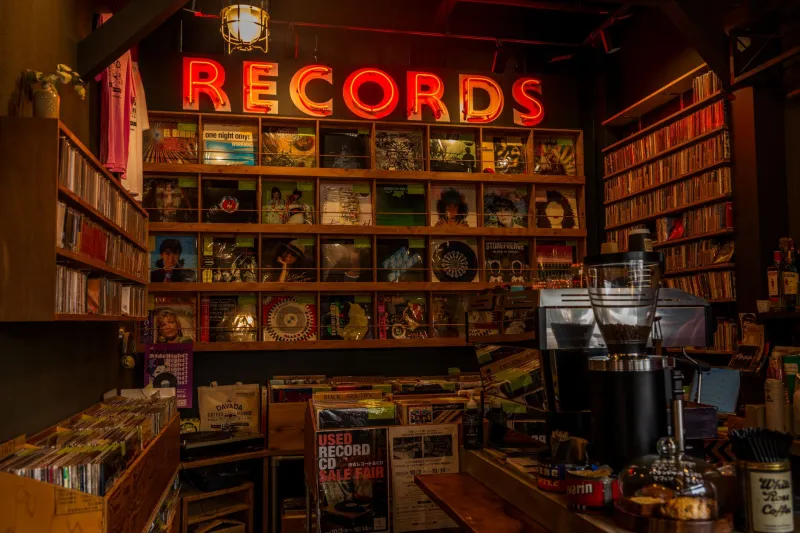
On a wet Thursday in Leeds, 38 people are squeezed between racks of second-hand vinyl for a £5 show. The headliner is a local rapper with one EP and a day job. The sound is a borrowed PA. The set is 22 minutes. It sells out.
This is not a novelty night. Across the UK in 2026, micro-gigs are becoming a proper layer of the live scene: tiny-capacity shows in record shops, barbershops, laundrettes, cafes and back rooms, with low door prices, short sets and audiences who are there to listen rather than shout over a DJ.
The rooms are the point
A micro-gig is usually 20 to 60 people. Sometimes fewer. The space does half the work. A record shop gives you shelves to browse and a natural reason to arrive early. A barbershop gives you mirrors, strip lights and a strange intimacy. A laundrette gives you washing machines humming under the verses. None of it feels like a venue, which is exactly why it can feel like an event.
'We are not trying to compete with a 200-cap room,' says Nadia, who runs a micro-gig series in Leeds. 'We are trying to make a first gig feel possible. For the artist, for the audience, for us.'
That means early doors, early finish and a bill that makes sense. Three acts, 20 to 25 minutes each, done by 10pm. It respects attention spans, train times and the fact that half the room has work in the morning.
The economics of a fiver
Take a 40-cap room. Thirty-five people pay £5 at the door. That is £175. Pay two artists £50 each, spend £25 on sound, £10 on a poster and maybe £20 on coffees for the team. There is no fat. If the promoter takes a cut, it is small. If the venue takes a cut, it is often a percentage of bar sales rather than a hire fee.
The fiver door is not a business model by itself. It is a low-risk test. Artists use these shows to sell a few tapes, build a mailing list and rehearse a set in front of real people. Venues use them to bring in new customers. Promoters use them to build a reputation without losing £400 on a bad night.
'We make our money on merch and on the next show,' says Tom, an artist who has played micro-gigs in Sheffield and Nottingham. 'The door fee covers the room. The mailing list is the actual payment.'
Licensing, noise and the small print
This is the unglamorous bit, and it matters. In England and Wales, a small gig may need a premises licence or a temporary event notice depending on alcohol, regulated entertainment, capacity and hours. Scotland and Northern Ireland have their own rules. Promoters say the paperwork is often less scary than it looks, but it is not optional.
The good micro-gigs are boring about safety. They count the room. They know the fire exits. They set a noise curfew. They have insurance. They do not cram 70 people into a shop built for 40 because the Instagram post looked good. The DIY energy is real, but it works best when the boring bits are handled properly.
Why short sets are winning
A 20-minute set is a useful unit. It is long enough to show a song, a personality and a bit of range. It is short enough that the audience does not drift. It also changes the bill. Newer acts get a real slot rather than a 12-minute opener at 8:15 in a room that is still half empty.
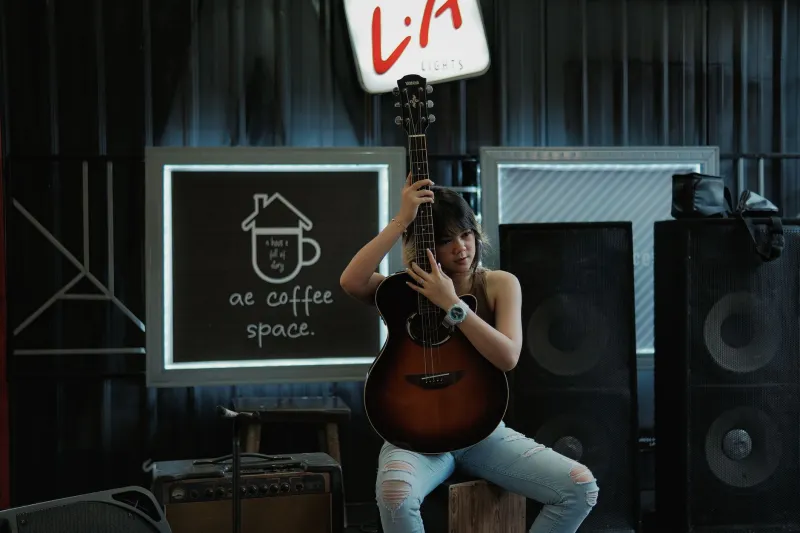
The format suits the music, too. Stripped-back sets, acoustic versions, spoken word, beat sets and lo-fi electronics all work in a small room. You do not need a huge production. You need a song that can survive being heard from three metres away.
The DIY energy, and the cliquey bit
Micro-gigs run on Stories, WhatsApp groups, hand-stamped tickets and flyers in cafes. Promoters are often artists themselves. That can make the scene warm and fast-moving, but it can also make it cliquey. The best nights publish clear line-ups, pay artists on the night and do not rely on 'exposure' as a currency.
'If a promoter cannot tell you the door split before the gig, that is a red flag,' says Nadia. 'It does not have to be a lot of money. It just has to be clear.'
How to find micro-gigs in 2026
- Follow independent record shops, barbershops, laundrettes, coffee shops and small venues on Instagram. Check Stories and broadcast channels, not just the grid.
- Sign up to local venue newsletters. They often announce tiny shows before the posters go up.
- Search '[your city] record shop gig' and '[your city] micro gig' — but also ask at the counter. Staff usually know what is happening.
- Look for physical flyers in cafes, libraries and community centres. Some of the best nights still rely on paper.
- Ask promoters to add you to their WhatsApp community. That is where the short-notice shows tend to land.
- Check DICE and Resident Advisor for smaller listings, but do not assume everything is on there. Many micro-gigs are intentionally under the radar.
- Go early, bring cash and buy something. A £5 ticket plus a coffee is what keeps the room open.
What to expect when you get there
Do not talk through the set. Do not block the aisles. Respect the capacity. Buy a record, a drink or a badge if you can. The micro-gig is not a replacement for proper venues, and it is not trying to be. It is a nursery: a place where artists can test songs, audiences can find new favourites and promoters can build something without risking everything.
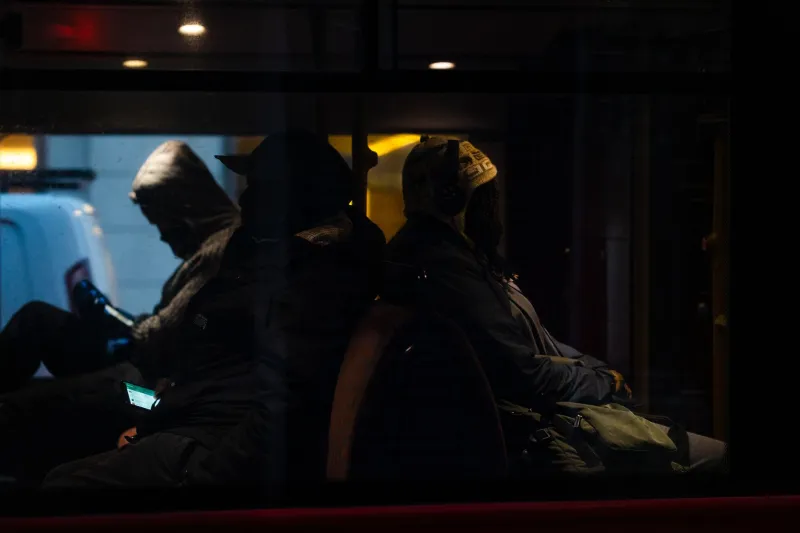
In 2026, some of the most interesting UK shows cost less than a pint and finish before the last bus. You just have to know where to look.