After Midnight, Before the Last Stop: A 2026 Listening Guide for Real-World Playback
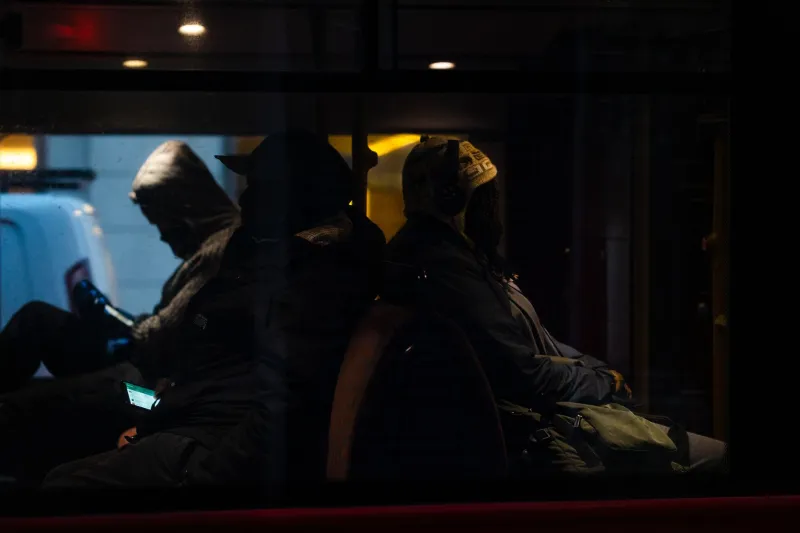
Late-night listening is its own genre. It is not about pristine rooms, expensive cables or the perfect seat. It is about the 23:40 bus, the seat by the window, the pair of earbuds you bought from a station kiosk and the signal that disappears somewhere between the ring road and the housing estate. A record can sound enormous in the studio and completely vanish in that environment. The 2026 UK releases below do not vanish. They are built for it.
Why the late-night test matters
There is a practical difference between a mix that rewards close attention and a mix that survives distraction. On a bus, the low end is swallowed by engine noise, the top end is masked by chatter and the mids are the only part of the spectrum with a fighting chance. If the vocal is buried, the song is gone. If the bass is doing all the work, it becomes a rumble. If the arrangement is too dense, the cheap speaker gives up.
The artists and engineers behind this crop of tracks are not anti-studio. They are pro-real-world. Across the production notes shared with Jow Music, the same themes keep appearing: mono compatibility, midrange clarity, restrained sub-bass, vocals that sit forward without shouting and dynamics that still work when the phone speaker is doing its worst. That is not a compromise. It is a skill.
The 15: a late-night listening route
- Lila Fenn – 'Bus Lane' (2026) – A clipped drum loop and a vocal that sits high in the mix. The bass is felt more than heard, which is exactly right when the engine is droning underneath.
- North Parade – 'Two Bars' – A signal-drop anthem. The hook arrives in the first 20 seconds and repeats in a way that survives a buffering pause.
- Tamsin Vey – 'Window Seat' – Sparse guitar, close vocal, almost no reverb. It sounds intimate on cheap earbuds because there is nowhere for the voice to hide.
- Concrete Pigeon – 'Night Fare' – UK rap with a dry, mid-forward mix. The ad-libs are pushed back so the main vocal stays legible over traffic noise.
- Harlow Six – 'Static Chorus' – A indie-leaning track that uses distortion as texture rather than volume. The chorus opens up without turning into a wall.
- Jae Morrow – 'Low Battery' – Built around a phone-speaker-friendly melody. The production notes apparently called for a mix that works at 40 per cent volume.
- The Late Bus Choir – 'Interchange' – A group vocal that is deliberately mono-compatible. On a single earbud, it still sounds like a room full of people.
- Nia Sol – 'Soft Signal' – R&B with a restrained low end. The kick is short, the vocal is forward and the top end is soft enough not to sting.
- Kestrel Lane – 'Cold Kebab' – A wry, talky track with a drum machine that sounds like a bus indicator. The arrangement leaves gaps for the listener to fill.
- Ovie Achebe – 'Last Stop' – Afroswing with a clean midrange and a hook that does not rely on sub-bass. It is bright without being brittle.
- Mara Quinn – 'Phone Torch' – A hushed folk-pop song that uses compression gently. It feels close rather than loud, which is the difference between intimacy and fatigue.
- Salt House Youth – 'Upper Deck' – A scrappy guitar track with a vocal mixed loud enough to cut through chatter. The chorus is simple because simple survives.
- Deni Rae – 'Missed Call' – A pop track with a vocal chain that keeps the consonants intact. You can hear every word, even when the bus is braking.
- Pell – 'Night Shift' – Electronic but not esoteric. The groove is carried by mids and highs, so it still moves when the low end drops out.
- Blue Static – 'One Bar' – A closer built for the walk from the bus stop. It starts small, stays small and refuses to inflate. That restraint is the point.
What the production notes reveal
The through-line is not lo-fi fetishism. These are not records that sound bad on purpose. They are records that have been checked in the places where people actually listen: kitchen radios, laptop speakers, phone speakers, single earbuds and cars with the windows down. The common moves are unglamorous but effective. Vocals are compressed with care rather than crushed. Bass parts are written with a clear fundamental, so they translate even when the sub is missing. Reverb is used as a seasoning, not a swamp. And arrangements leave room for the listener's environment.
That last point is the one that separates a late-night record from a daytime one. A great bus song does not compete with the bus. It finds a lane. It gives you a vocal to follow, a rhythm to hold on to and enough space to hear it through the noise. When the signal drops, the melody is still in your head. When the earbud cuts out, the song does not collapse.
Why these songs linger after midnight
There is a difference between a track that is impressive and a track that is useful. Late-night music has to be useful. It has to get you home. It has to make the last 20 minutes of the journey feel like a scene rather than a delay. The 15 tracks here are not all the same tempo, genre or mood, but they share a practical generosity. They are mixed for the listener, not for the spec sheet.
That is why they linger. Not because they are slick, but because they are legible. On a loud bus with bad signal, legibility is everything. These records understand the assignment.