The Map Beyond the M25: Ten Regional UK Scenes That Made 2026 Sound Different
London will always have the biggest rooms and the loudest billboards. But in 2026, some of the most vital UK music is being made where the last train home leaves before the encore. This is not a ranking of cities, and it is not a pointless London-versus-the-rest argument. It is a listening guide to ten regional scenes that have quietly built their own ecosystems — small venues, community radio, record shops, group chats — and made the year sound less centralised. Start with one track from each, then follow the threads.
Glasgow: Post-Punk in the Basement
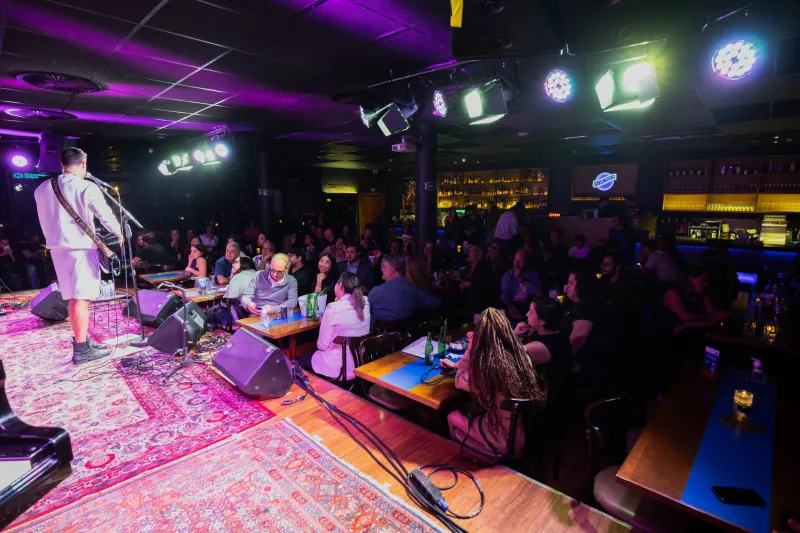
Glasgow has a long habit of making scratchy, intelligent guitar music feel like a conversation in a pub back room. In 2026 the pace has picked up: The Tenement Broadcast pair sprechgesang vocals with clipped, wiry guitars on Bus Fare Hymn, while Lorna Vale's Damp Walls is all rain-on-window synths and dry humour. The room to watch is The Wee Annex, a 120-cap basement where the PA is held together with tape and the crowd still knows every word. Essential track: Bus Fare Hymn.
Bristol: Electronic Underground With Patience
Bristol's electronic underground is not chasing festival drops. It is building pressure slowly. Hessa's Tunnel Light folds dub, broken beat and whispered vocals into something that sounds like the city after midnight, and Low Ceiling's Static Prayer is a masterclass in leaving space. The Pump Room, a former utilities building with a sound system that feels physical, is the kind of venue that makes the bassline part of your skeleton. Essential track: Tunnel Light.
Cardiff: Welsh-Language Indie Boom
The Welsh-language indie boom is not a novelty story. It is a parallel pop economy with its own stars, sleeve art and sold-out shows. Yr Awen's Cariad ar Ffilm is a gorgeous, jangling three-minute crush, while Mared Puw's Nid yw'n bell turns a folk melody into a shoegaze wall. Clwb Ifor Bach remains the living room of the scene, but the real action is in chapels, community halls and shared bills where the language is simply the language of the songs. Essential track: Cariad ar Ffilm.
Manchester: Guitar Pop With a Rain-Slicked Glow
Manchester guitar pop in 2026 sounds less laddy and more quietly weird. Peach Static write songs about bus shelters and bad birthdays, all chorus-pedal haze and dry Northern wit. Their single Bus Shelter is the year's best argument for a 7-inch, and The Snug — a back room with a low ceiling and a good jukebox — is where the next support slot gets earned. Essential track: Bus Shelter.
Leeds: Noisy, Tender and Built for Basements
Leeds has always understood that volume can be a form of kindness. Civic Baths make racket with a soft centre: Horsehair starts like a dropped amp and ends like a hug. The Old Flax Store, an old industrial space with no stage barrier and no attitude, is the right room for it. The scene is small, stubborn and suspicious of polish, which is exactly why it works. Essential track: Horsehair.
Sheffield: Electro-Pop From Steel and Static
Sheffield's electro-pop keeps finding romance in concrete. June Arcade's Park Hill Lights is a love letter to the city's brutalist skyline, with a drum machine that ticks like a crossing signal and a chorus that could fill a leisure centre. The Forge, a scruffy room above a pub, hosts laptop sets, guitar bands and the occasional poetry night without pretending any of them are separate worlds. Essential track: Park Hill Lights.
Birmingham: Rap, Grime and Bedroom Soul
Birmingham's rap scene is too often reduced to a postcode argument. The more interesting story is the range. Kofi Mornings blends grime cadence with bedroom-soul warmth on Junction 6, a track about ring roads and ambition that feels both local and widescreen. The Dark Horse, a small venue with a heavy door and a forgiving stage, is where the next generation tests hooks before the algorithm gets hold of them. Essential track: Junction 6.
Newcastle: Folk-Rave and Riverside Heart
Newcastle's folk-rave crossover sounds like a ceilidh that got hold of a drum machine. Salt and Ash's Quayside pairs fiddle, mandolin and a four-four kick with a chorus built for a room full of strangers. The Little Boat, a riverside bar with a low stage and a strict no-phone-at-the-front policy, is the sort of place where the scene is literally within arm's reach. Essential track: Quayside.
Belfast: Alt-Folk and Post-Trad
Belfast's alt-folk and post-trad wave is reworking old songs without turning them into museum pieces. Róisín Glass's Lagan Moon is a late-night, reverb-heavy ballad with a trad fiddle line tucked under the vocal, and the city's small rooms — The Sunflower's back bar, house gigs, community halls — reward listening rather than filming. Essential track: Lagan Moon.
Nottingham: DIY Punk and Community Radio
Nottingham's DIY punk scene is powered by community radio, cheap rehearsal rooms and a refusal to wait for permission. Canal Rats' Bus Pass is a two-minute blast about feeling stuck and getting on with it, and The Back Room — a 90-cap space with a handwritten gig calendar — is the community centre the scene deserves. Essential track: Bus Pass.
Why the Regions Are Leading
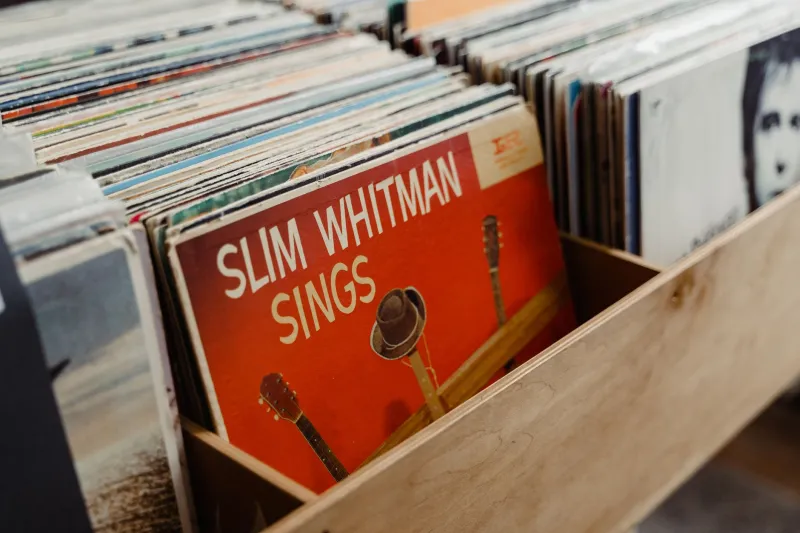
The common thread is not a sound. It is infrastructure. Regional scenes are cheaper to start, easier to join and less obsessed with the national press cycle. Artists can play the same small room three times in a year, sell merch directly and build an audience that actually turns up. Community radio, independent record shops and local promoters do the slow work that streaming playlists cannot. In 2026, that slow work is producing some of the freshest music in the UK — not despite the distance from London, but partly because of it. Put the map on, follow the tracks, and buy something from the merch table.