Fields Worth Finding: The Independent Weekenders Quietly Winning 2026
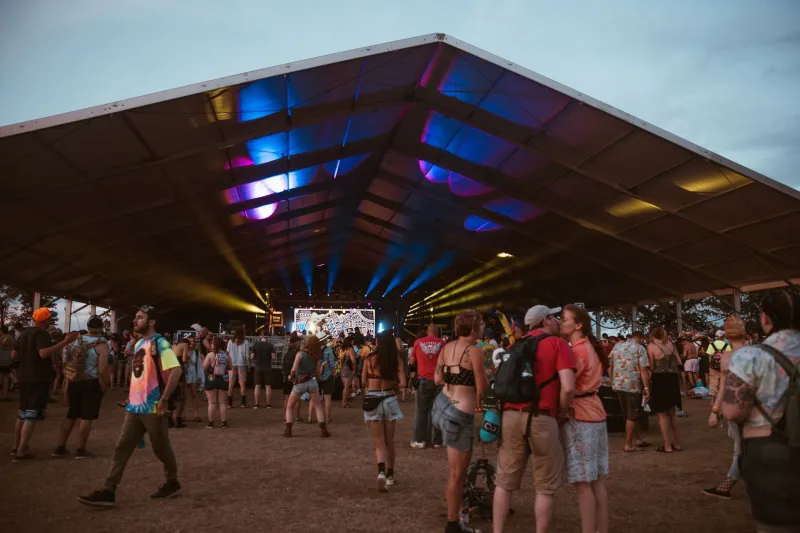
The headline festivals will survive another summer of big screens and bigger queues. The real story in UK live music is smaller: independent weekenders where the capacity is modest, the lineups are strange and the crowd is there because they chose it. This is not a list of hidden gems for the sake of it. It is a field guide for people who want to find a field, pitch a tent and hear something they did not know they needed.
How we picked these fields
We looked for independent programming, sensible capacity, decent value and an atmosphere that does not depend on one headline act. That means lineups taking risks: folk next to electronic, local acts next to international oddities, and late-night sessions that are not just a DJ playing the same festival bangers. Smaller events also tend to have shorter walks from tent to stage, cheaper food and a crowd that is not constantly filming the person in front of them.
Caveat: lineups land at different times, and small festivals can change shape quickly. Check travel, tickets and accessibility before you commit. The point is the field, not the poster.
Five weekenders to put on your radar
Fire in the Mountain — mid-Wales. A proper small folk and roots weekender with a family-friendly edge and a late-night session culture. The lineup is unlikely to feature a household name, which is the point. Expect fiddles, harmonies and someone starting a singalong in a tent at 2am.
Cloudspotting — Lancashire. Tiny, curious and happily leftfield. The booking leans experimental, folk and electronic without making a fuss about genres. The crowd is low-key and local, the site is compact, and the whole thing feels like a village fete that accidentally booked a noise act.
Beat-Herder — Ribble Valley. Bigger than the rest here, but still fiercely independent. Electronic, folk, reggae and whatever else fits the fancy-dress mood. The atmosphere is northern and unserious in the best way. Tickets are not cheap, but the production is strong and the lineup usually has more depth than the headline names suggest.
Shambala — Northamptonshire. A mid-size weekender with a sustainability-first outlook and a creative crowd. It is not under-the-radar in the way a 400-person festival is, but it still feels like an alternative to the corporate circuit. Expect costumes, workshops, good vegan food and a lineup that mixes soul, electronic and acoustic music.
Supersonic — Birmingham. An urban weekender for experimental music, held across city venues rather than a field. No camping, no mud, plenty of trains. If you want to see UK and international artists pushing at the edges of noise, improvisation and heavy music, this is the one. Book a hotel early.
What the crowds are like
Smaller festivals attract people who bought a ticket before the lineup dropped. That changes the mood. You get fewer spectators and more participants. People talk to strangers. The same faces turn up at the coffee stall every morning. You will see less phone filming and more actual dancing, partly because there is less signal and partly because nobody is performing for a feed.
It also means you should be considerate. Do not bring a giant speaker to a quiet campsite. Do not leave your tent behind. Bring cash for the small bars and merch stalls, a refillable bottle and layers for the night. The crowd is the festival at this scale, so do not be the person who ruins the field for everyone else.
The value question
Tickets are usually cheaper than the big nationals, but travel, food and drink add up. Camping is often included, which helps, and many small festivals let you bring your own food to the campsite. Skip the VIP upgrades and spend the money on merch instead. The margins for independent events are thin, and buying a T-shirt or a record directly supports the thing you came for.
How these fields shape the next wave
Small festivals are the research and development wing of UK live music. They give new acts a paying gig, a crowd and a reason to tour. Bookers from bigger events scout them. Artists meet each other. Scenes form in the mud rather than on a spreadsheet. The next wave of UK live music is not born on a main stage with a huge LED screen. It is born in a tent at 1am, in front of 300 people who did not know the band before the weekend started.
If you go
Travel by train or bus where you can, car-share if you cannot, and check the site shop before you lug a week's worth of supplies across a field. Bring waterproofs even if the forecast is good. Bring earplugs. Bring a torch. Buy something from the merch table. Be patient with the bar queue. And leave the field as you found it — these events only keep happening if the people who love them treat them properly.