The Hidden Track Economy: Why UK Artists Are Making the Extras Matter Again
Something odd is happening in the margins of UK releases. The song everyone is talking about is not always the lead single. It is the flipside, the bonus cut, the demo tucked behind a mailing-list code, the track that only exists if you buy the 7-inch from the merch table. In 2026, the B-side has stopped being an afterthought and started acting like a secret handshake.
That is not a nostalgia trip. It is a correction. For years, streaming rewarded the front-loaded release: one strong track, a quick push, a playlist add, then move on. The result was a lot of UK music that felt built for the skip button. Artists noticed. Labels noticed. Fans definitely noticed. Now the extra track is becoming a way to say: if you are still here, this one is for you.
The playlist problem nobody wants to admit
Playlists are brilliant at discovery and terrible at intimacy. They flatten context. A song about a bus stop in Leeds can end up between a tropical house remix and a true-crime podcast ad, and nobody learns anything about the artist except that they sound acceptable at 30 per cent volume. The B-side does the opposite. It is badly behaved by design. It can be a sketch, a cover, a rant, a remix, a 90-second instrumental. It does not have to behave for the algorithm.
That freedom is why UK artists are drifting back towards extras. Not every release needs a flipside, and not every bonus track is good. But the ones that work feel like evidence of a world beyond the campaign. They give the dedicated fan something to hold, argue about and send to a group chat.
What counts as a B-side in 2026?
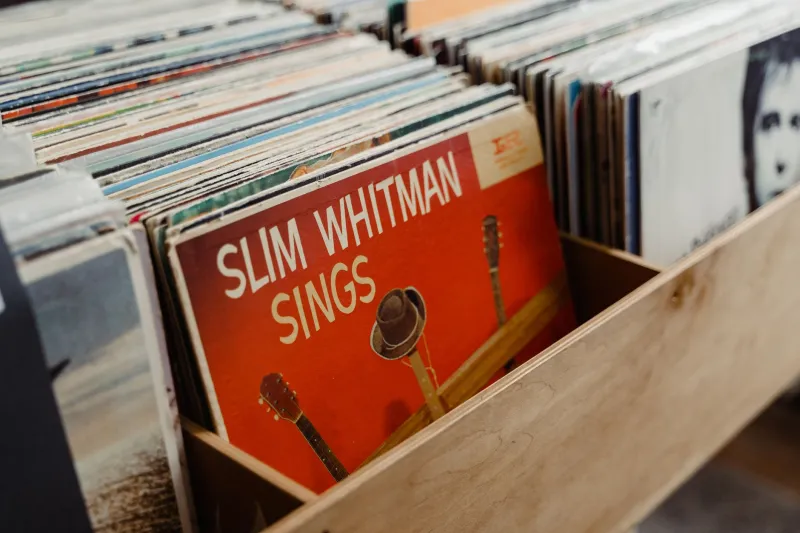
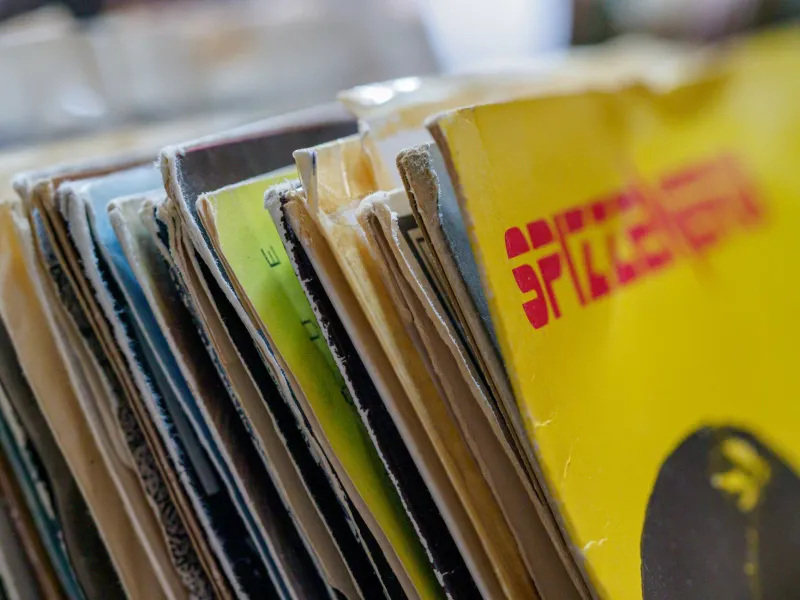
It is rarely a literal flipside now. It might be a cassette bonus, a download code, a flexi disc, a secret SoundCloud link, a bonus CD track, or a track that appears only on the physical run and then vanishes. The format changes; the function is the same. It rewards attention.
The best examples are not cynical. They are small, deliberate gestures. A demo that shows how a song changed. A cover that reveals a band's influences. A remix from a friend in another city. A live take recorded in a room with a bad radiator. The point is not to create fake scarcity for its own sake. The point is to make the release feel like a place rather than a product.
Listening guide: five UK extras worth chasing
- Marla Finch — "Cold Tap" (B-side to "Night Bus Home", 7-inch on Fallow Recordings). A Sheffield songwriter stripping the single back to drum machine and voice. It sounds like a kitchen at 2am, in the best way.
- The Kelp — "Breakwater" (cassette bonus on Tidal Work). Cornwall guitar band doing an instrumental drift with field recordings and one very patient bassline. Perfect for a damp walk home.
- Nadia Rook — "Second Draft" (mailing-list demo). Manchester piano-and-voice sketch that is rougher, stranger and arguably better than the album version. Proof that polish is not always the point.
- Harrow & the Crows — "Salt in the Wound" (7-inch flip). Glasgow folk-rock with fiddle, feedback and a chorus that arrives far too late. Exactly the kind of track that would get lost in a playlist and thrive on a turntable.
- Lumen Park — "Sunday Bus" (physical-only CD bonus). Cardiff group going hushed and brass-heavy. It is the sort of extra that makes you check the sleeve notes.
How indie labels turn extras into collectibles
The label side is where this gets interesting. Small UK imprints are using extras to build a relationship rather than a funnel. Fallow Recordings has been hand-stamping sleeves and including lyric sheets. Saltmarsh Sound is bundling downloads with zines. Northline is pressing tiny runs and telling fans exactly how tiny. None of this is revolutionary, but it is working.
The smart labels avoid the obvious trap: making fans pay three times for the same record. A good extra is not a ransom note. It is a thank-you. Limited runs are fine when they are honest about the limits. They are less fine when they are manufactured to panic people into a purchase. The difference is usually obvious in the tone of the rollout.
The fan contract
There is a bargain here. Artists get to be weird in public without betting the whole campaign on it. Fans get something that feels earned. Labels get a reason to press physical records without pretending the CD is a growth market. And the music gets a second life outside the feed.
It will not suit every artist, and it should not. Some records are complete as they are. But after years of UK releases being flattened into content, a little clutter in the margins is welcome. The B-side is back — not as a format war, but as a way of saying the quiet part out loud: the people who stick around deserve something extra.