The Room Before the Roar: What UK Venues Play While You Wait
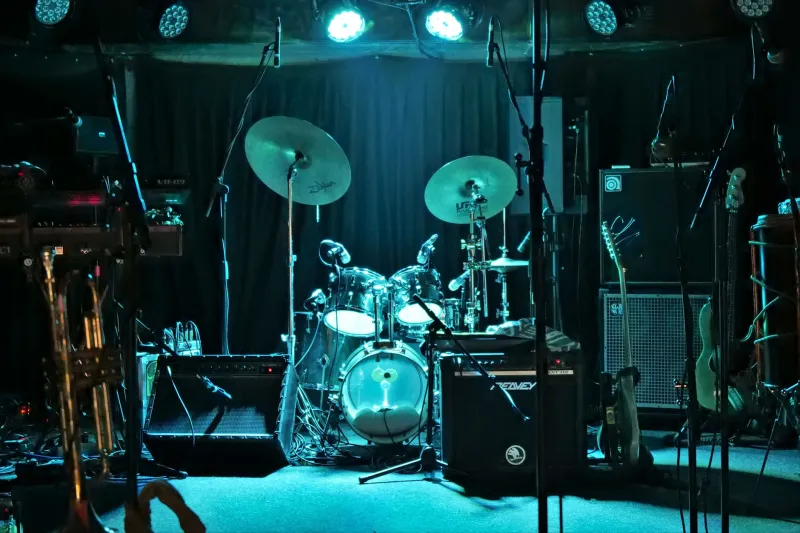
Doors at 7:30. First act at 8:15. In that gap, something unglamorous but important happens: the room learns what kind of night it is in. The lights are still up, the bar is finding its rhythm and the PA is playing something that is not quite background music and not quite a headline set. In 2026, that in-between playlist has become one of the quietest discovery routes on the UK circuit.
It is not a new idea. Venues have always played records before bands and between changeovers. What feels different now is the level of care. Programmers at small rooms in Leeds, Bristol, Glasgow and Peckham are treating the doors playlist and the changeover playlist as part of the bill, not as filler while the sound engineer fixes a DI box. For fans, that means arriving early is no longer just about getting a good spot. It is a chance to hear something before the algorithm catches up.
The doors playlist is the first support act
A 200-capacity room in Leeds runs two separate lists for a typical gig night. One starts at doors and runs until the first act. The other covers changeovers. The venue programmer says the doors list is built to do a specific job: make the room feel inhabited without asking too much of people who are still taking their coats off.
'It is not a shuffle,' they say. 'If you put on a random playlist, you get three songs that sound like a completely different venue. The room loses its thread.'
That thread matters. A folk night and a techno night might share the same four walls, but they should not share the same warm-up music. The programmer starts with genre-adjacent tracks, then adds local names, then checks the pace. Nothing too confrontational before 8pm. Nothing so gentle that the room feels like a waiting area. The sweet spot is music that rewards attention if you give it, but does not demand it if you are at the bar.
Sound engineers have a practical say too. A changeover playlist has to survive being faded down mid-song when a monitor starts humming. Tracks with long, quiet intros can be awkward. Tracks with huge dynamic shifts can make the room feel like it is missing something when they are cut short. The best venue lists are built with interruption in mind.
How the list gets built
There is no single method. Some venues still use a laptop and a folder of trusted albums. Others use streaming playlists, but with a human hand on the controls. A programmer in Bristol says they update their doors playlist every month and keep a separate folder for local releases that have come through email, Bandcamp links or a label's mailing list.
The sourcing is more varied than it used to be. Venue staff hear something on community radio and add it. An artist asks if their new single can go on before the show. A label sends a short list. A sound engineer brings in a record from home because it sounds good in that room. The result is a strange, useful map of what is moving through a local scene.
The licensing side is less romantic. Venues need the right music licences, and most work within the usual PPL PRS arrangements. That does not stop them from playing independent artists, but it does mean the list is not a free-for-all. The practical answer is that venue playlists sit somewhere between radio, recommendation and atmosphere. They are curated, but they are not a formal A&R process. That is exactly why they can be interesting.
The between-set test
Changeover music is where the real test happens. The room is half-full, half-distracted. People are talking. The last act's merch is being folded away. The next act is nervous. A good changeover track can hold the room together without pretending the gap is not happening.
Some venues use that slot to spotlight the acts on the bill. A track from each support act goes into the between-set list, so the room hears a name before the name is on stage. It is a small gesture, but artists notice.
'It is not a sync placement or a review,' one emerging artist says. 'But hearing your song in the room before you play is a strange confidence boost. And people do ask about it. I have had someone come up to the merch table and say they Shazammed the song in the break.'
That is the discovery route in miniature. No big data, no campaign. Just a room, a speaker and a listener who was paying attention at the right moment.
What makes a good venue track
Programmers tend to talk about fit rather than genre. A track needs to sit beside the bill without competing with it. It needs to survive a fade. It needs to sound good at conversational volume. It needs to give the room a little personality without turning into a lecture.
One programmer describes a rough 70/30 rule: roughly seventy per cent unfamiliar music, thirty per cent something recognisable enough to anchor the room. That is not scientific, but it explains the appeal. You want the audience to feel curious, not lost. You want the local references to land without the night feeling like a seminar.
The best lists also change with the clock. Early doors might be slower, stranger, more textural. As the room fills, the tempo can lift. Between sets, the music has to reset the room without wiping it clean. By the time the headline act walks on, the playlist has done its job and should be forgotten. That is the point.
A real-world listening guide
For fans, venue playlists are a reminder that discovery does not always happen on a screen. Arrive early. Listen to the changeover. Ask at the bar if something catches your ear. Check the venue's socials afterwards, because some rooms post their doors playlist or share a link to the local artists they played. Follow the thread to Bandcamp, to a label page, to a support slot you would otherwise have missed.
In 2026, the UK circuit is full of small rooms doing this work without much noise. The playlist is not the headline. It is not the support act. But it is part of the night's identity, and sometimes it is the first place you hear the artist you will be talking about next month. The room before the roar is worth paying attention to.