Solder, Patch, Repeat: The UK Repairers Keeping Regional Scenes on the Road
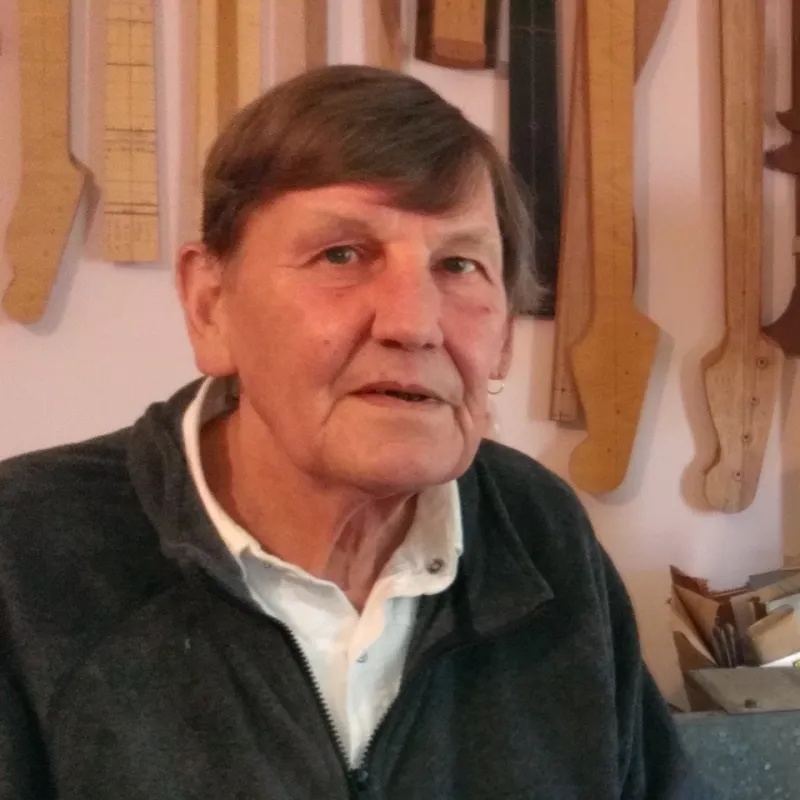
Photo: Beeflin, CC BY-SA 3.0, via Wikimedia Commons
There is a particular smell to a repair bench. Hot solder, old wood, a bit of contact cleaner, and the faint whiff of a valve amp that has been working too hard. In a small workshop in Sheffield, a luthier is re-fretting a guitar that has played every toilet venue on the M1. Next to it, an amp tech is tracing a fault in a combo that has been borrowed by three bands and dropped by at least one. Nobody is talking about replacing anything. The whole room is about keeping it going.
That is the mood in 2026. New gear is expensive. Touring budgets are tight. The second-hand market is full of bargains that need work, and the first-hand market is full of things that cost more than a month's rent. So UK musicians are doing what they have always done when money is short: they are taking things to someone who knows how to fix them.
The maths of a broken amp
A new valve combo can set you back four figures. A service, a set of valves, and a re-solder might cost a fraction of that. A guitar that needs a new nut, a setup, and a fret dress is still cheaper than a new guitar with the same spec. A drum shell that has lost its bearing edge can be repaired. A pedal that has stopped switching can be revived. The repair bench is not a romantic escape from consumerism. It is a rational response to a market that has made replacement feel normal.
The fix-it economy also has a regional logic. Repairers tend to be local. They know the venues, the players, and the peculiarities of the scene. They can turn a job around before a weekend of shows. They can tell you whether that crack in the headstock is a problem or just character. They can lend you a backup while they work. That kind of relationship is hard to get from a warehouse that ships next day.
A different kind of backline culture
Backline culture in the UK has always been about making do. Shared kits, borrowed cabs, a spare snare in the van. The repair revival takes that further. Bands are building relationships with techs before something breaks. Promoters are asking for road-ready gear rather than assuming the artist will turn up with a perfect rig. Rehearsal rooms are running basic maintenance clinics. It is not glamorous, but it is the kind of infrastructure that keeps a scene alive.
There is a sound argument too. Old instruments often have a voice that new ones do not. A repaired amp can hold its value. A well-set-up guitar plays better than a shiny one that has never been looked at. The second life of an instrument is not just a sustainability story; it is a creative one. The guitar that has been on fifty tours has a different feel to the one that has been on the wall.
What gets lost when we replace
We should be honest about the limits. Repair is not always cheaper. Some faults are not economic to fix. Some parts are unavailable. Some repairers have waiting lists that stretch past your next gig. The fix-it economy can also be precarious: skilled techs are ageing out, training is patchy, and the margins are thin.
But the alternative is worse. If every problem becomes a replacement, the scene loses a layer of knowledge. Young players do not learn how to spot a bad cable or a dying valve. Venues do not build relationships with local techs. The knowledge stays in the workshop and never reaches the stage.
The bottlenecks
In 2026, the biggest bottleneck is not demand. It is capacity. Good repairers are busy. Parts supply can be slow. Touring schedules do not leave much room for a two-week turnaround. The answer is not to pretend everything can be fixed. It is to plan for maintenance the way you plan for rehearsals.
That means booking a service before a tour, not after it. It means carrying spares that actually fit your gear. It means asking a tech to give your rig a road-ready check before a run of shows. It means insuring your instruments properly and keeping receipts. It also means paying repairers on time and not treating them like a favour.
A practical repair kit for 2026
If you are a UK artist trying to keep costs down, start with a relationship. Find a local repairer before you need one. Ask other bands who they use. Take a photo of the serial number and any damage. Be clear about your deadline and your budget. If you are touring, ask whether they can do a while-you-wait setup or a loaner.
Promoters and venues can help too. A small repair fund for the local scene, a shared list of trusted techs, or a maintenance session at a rehearsal room can go a long way. It is not as exciting as a new pedalboard. It is more useful.
The UK's repair revival is not a trend piece. It is a quiet correction. The scene runs on gear that works, and gear that works often needs a bench, a solder iron, and someone who knows what they are doing. Fixing things is not a step back. It is how we keep the van on the road.