First Song, No Map: Why UK Acts Are Putting Unreleased Material at the Front of the Set
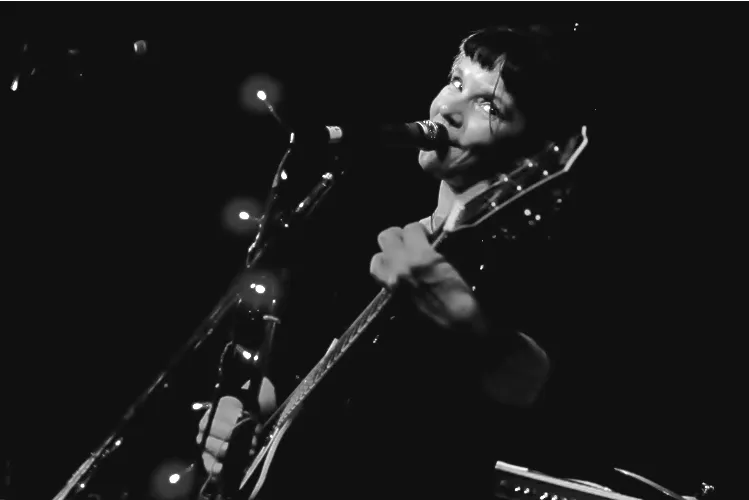
Photo: Gary Simpson, CC BY-SA 3.0, via Wikimedia Commons
The first song is usually the safe one. A familiar riff, a chorus the room already knows, a bit of banter while the bar queue thins out. In 2026, though, a certain kind of UK act is doing the opposite: walking on and playing something nobody has heard. Not as an encore stunt, not as a mid-set surprise, but as the opening move. The first ten minutes have become a testing ground.
From the Jow Music desk, the pattern is hard to miss. It turns up in small rooms in Manchester and Leeds, in festival tents where the crowd is still finding its feet, and in support slots where the audience belongs to someone else. The song is new, the arrangement is still settling, and the band is watching the front row for signs of life. It is a strange way to start a show. It is also, increasingly, a deliberate one.
The room has not decided yet
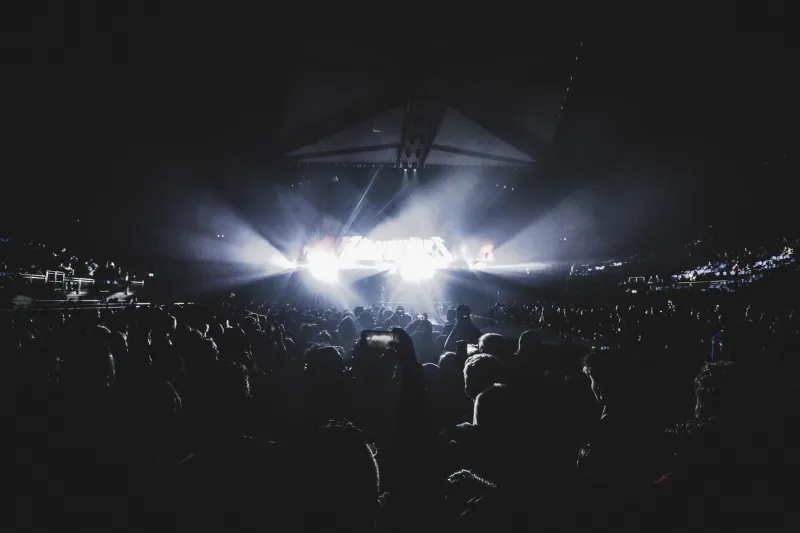
An audience in the first ten minutes is not a blank canvas. It is a noisy one. People are still coming in, finding their mates, checking coats, working out whether the sound is any good. Attention is scattered. That sounds like the worst possible time to debut a song, but it can also be the best. Nobody has arrived with expectations yet. There is no setlist to compare it to, no obvious moment to wait for. The unreleased song gets a hearing before the night has a shape.
That is different from dropping a new track halfway through a headline set. By then, the room has warmed up and the crowd has its favourites ready. A new song can feel like an interruption. At the top of the bill, it can feel like a statement. The opening slot is less loaded. If the song lands, it sets the tone. If it does not, the band still has the rest of the set to win the room back. That safety net is part of the appeal.
Why the front of the set makes economic sense
Studio time is not cheap. Rehearsal rooms are not cheap. Touring in 2026 is not cheap. Testing a song live in front of 150 people in Bristol or Glasgow costs a fraction of trying to guess its future in a meeting. A crowd will tell you things a demo cannot: whether the hook arrives early enough, whether the middle section drags, whether the chorus works when the PA is doing most of the heavy lifting.
For artists, that is useful research. For promoters, it is a calculated risk. A dead first five minutes is worse than an unknown song, but only just. Promoters tend to care about whether the room stays with the act. If an unreleased opener is strong enough to hold a half-empty floor, it is doing its job. If it sends people back to the bar, everyone notices.
The economics cut both ways. A new song played live can generate a clip, a reaction, a reason to finish it properly. It can also expose a song too early. The acts doing this well are not treating the audience as a focus group. They are treating the gig as part of the writing process, which is a very old idea dressed in new clothes.
The trust problem
Fans are not lab rats. There is a difference between sharing work in progress and making an audience feel like a beta test. The acts that get this right tend to do a few simple things. They keep the introduction short. They do not apologise for playing something new. They put a familiar song second, so the room has something to hold on to. And they make sure the unreleased song is finished enough to stand on its own, even if the mix is still moving.
There is also the phone factor. By minute three, someone is filming. That clip will outlive the night. The unreleased opener has to work without studio sheen, without a proper release campaign, without the context of a record. If it sounds thin on a phone video, that is the version some people will meet first. It is a lot to ask of a song that is still being edited.
What support slots are teaching headliners
Support acts have been doing this for years. A short set is a proving ground by default: you have limited time, a crowd that does not know you, and every reason to make the first song count. What is new in 2026 is how often headliners are borrowing the same logic. The opening slot is no longer just a warm-up. It is a place to test material before the pressure of a release date arrives.
That shift says something about how UK audiences discover music now. A single can appear and disappear in a week. A live clip can travel further than a press release. A song that gets a room moving before it is officially out has a head start. It also has a story: people saw it first, in a small venue, before anyone else. That kind of fan trust is hard to buy.
The rules of the unreleased opener
There are no official rules, but the good ones tend to follow a pattern. Make the first thirty seconds recognisable, even if the rest is still shifting. Do not explain the song for longer than you play it. Pair it with something the room knows. Keep the arrangement tight enough that a distracted audience can still follow it. And be ready for silence. The first ten minutes are not always generous.
None of this is a guarantee. An unreleased song can still clear a room. A familiar opener can still fall flat. But the move itself tells you something about the act: they would rather find out now than later. In a year when release cycles are fast and attention is fractured, the front of the set has become a place to take a small, public risk.
That is why the ten-minute window matters. It is not really about the first ten minutes. It is about what a band is willing to do before the room has decided. Play the hit, and you know what happens next. Play the unknown, and you learn something. In 2026, more UK acts are choosing the second option — and asking the audience to come with them.