The Last Song Is the Last Song: UK Headliners and the End of the Encore
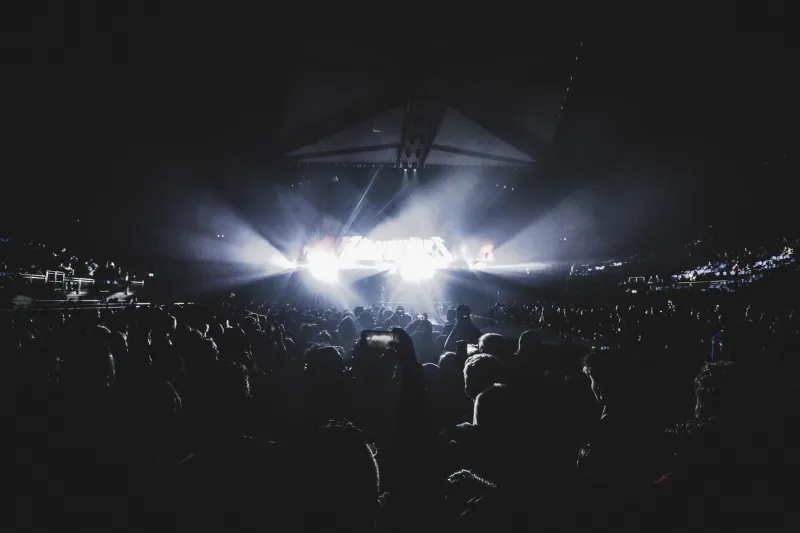
Something has changed at the end of the night. For years the UK gig ritual ran on rails: band plays big hit, band walks off, crowd claps, band returns, band plays bigger hit, house lights. In 2026, more headliners are cutting the loop. They finish the last song, say thanks, and stay put while the lights come up. No disappearing act. No rehearsed pause. No second ending.
It is not a universal shift — plenty of acts still love the theatre of the walk-off — but it is visible enough that people who spend their lives in venues have started talking about it. Promoters, tour managers and fans all have a theory. Most of them are about time. Some are about honesty. A few are about the strange, slightly awkward psychology of applause.
The Curfew Is Not a Vibe
Ask a promoter what changed and they will usually mention the clock. UK venue licences, council curfews and public transport timetables do not care about rock tradition. A headliner who leaves the stage at 10:45 and comes back at 10:48 has burned three minutes on nothing but suspense. If the room has a hard stop at 11, that is three minutes that could have been another song, a proper goodbye or a less frantic load-out.
One Manchester promoter puts it bluntly: the encore is often the first thing to go when the schedule gets tight. 'You can feel the room waiting for it,' they say. 'But you can also feel the last train waiting for nobody.' In cities where the last tram or the last train from Piccadilly is part of the night out, a staged pause can tip a good show into a stressful exit. Fans notice. They might love the ritual, but they also know the difference between a climax and a scramble.
Setlist Pacing: The Encore Was Always a Second Album
Tour managers tend to talk about the encore as a structural problem. For years, bands saved a hit for the return. That meant the main set had to hold back. In 2026, more artists are choosing to programme the whole night like one arc: opener, build, peak, release. No hidden ace. No fake ending. The last song is simply the last song.
That can make a set feel tighter. It can also make it feel less generous if the pacing is wrong. A no-encore show has nowhere to hide. If the final three songs do not land, there is no walk-off to reset the room. But when it works, it is bracing. The band stops while the crowd is still loud, and the applause becomes a real response rather than a cue for the next bit of stagecraft.
One tour manager from Bristol says the change is partly about respect for the audience's attention. 'People have seen the walk-off a thousand times,' they say. 'They know the bassist is standing behind the amp. The question is whether you want to spend your last five minutes pretending.'
The Applause Problem
The odd bit is the clapping. An encore is not really a request anymore; it is a convention. Crowds clap because they know what comes next, not because they are genuinely willing the band back. That does not make the applause meaningless, but it does make it scripted. Some artists have started to feel the difference.
A fan at a Leeds show last month described the moment the house lights came up early: 'It was weird for about ten seconds, and then it was fine. The band had already played the song everyone wanted. We just clapped them off properly.' That is the trade-off. The no-encore ending can feel abrupt, especially in a smaller room where the audience expects one more chance to say thank you. But it can also feel clean. The band leaves on its own terms, not on a pre-agreed pause.
Honest or Just Shorter?
The cynical read is obvious: a headliner who skips the encore can play a shorter set and call it a creative decision. That will happen. Some shows will end and leave people checking the time, wondering whether they got the full night. The best no-encore sets avoid that by making the main set feel complete. They do not just cut the comeback; they rebuild the ending.
For Jow Music, the interesting tension is between honesty and ritual. The encore is a fiction, but it is a shared fiction. Fans know the rules, and there is comfort in that. A no-encore show asks the room to accept a different kind of ending: less theatre, more directness. In 2026, with curfews biting harder and transport shaping the night out, that trade feels more practical than it used to. Whether it feels more honest depends on the band. A rushed finish is still a rushed finish, encore or not.
What to Listen For
The next time a UK headliner finishes and does not walk off, listen to the room. Is the applause relieved, or is it just polite? Does the band look like they have chosen the ending, or like they are running for the last train? The no-encore show is not automatically better. It is simply a different contract with the crowd. Done well, it can feel like the most straightforward thing in the world: the last song, the lights, the thank you, the night. Done badly, it is just a shorter gig with a clever excuse. The difference is in the pacing, not the pause.