Ninety Seconds First: How UK Album Trailers Became the New Front Door
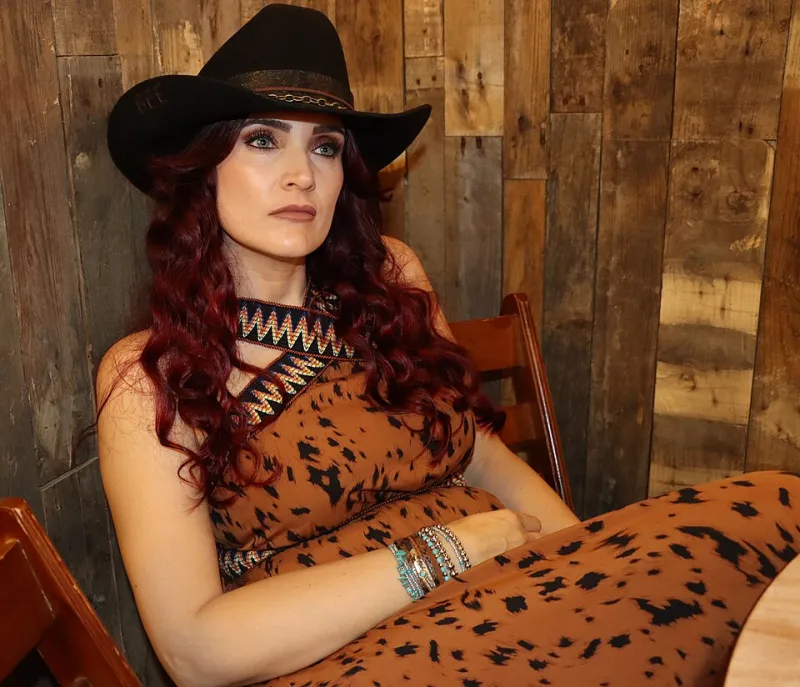
Photo: BeeMusicUK, CC BY-SA 4.0, via Wikimedia Commons
There is a moment in 2026 when a record campaign does not begin with a song. It begins with a look: a moody shot of a bus shelter in Peckham, a blurred motorway sign outside Salford, a hand adjusting a car radio in Glasgow. Ninety seconds later, the artist has said almost nothing about the album, but you already know what kind of room it lives in. That is the album trailer, and in the UK it has quietly become the front door to the whole release.
This is not the old teaser clip with a countdown and a snatch of chorus. The short-film album trailer is a separate piece of work with its own director, its own grade, its own sound design and, increasingly, its own budget line. Artists from indie four-pieces to rap crews and electronic producers are commissioning them before they book studio time for the lead single video. The logic is simple enough: a single announces a song, but a trailer announces a world.
The clip is doing a different job
A lead single has to carry the commercial weight. It needs a hook, a radio edit and a playlist pitch. The trailer has a looser brief. It can be atmospheric. It can be narrative. It can show a place, a character or a texture without explaining how the record will sound. For UK acts working with small teams, that freedom is useful. A trailer can establish the visual language of a campaign before anyone has to commit to a performance video, a dance routine or a big-name feature.
You can see the difference in the edit. Singles tend to cut to the beat. Trailers often cut against it. A good 90-second album trailer might use one long take, a piece of location sound and a single line of dialogue. It might not feature the artist at all. The result is less advertisement, more short film, and it gives fans something to talk about before the music arrives.
Why directors get the call before studios
Booking a director early is not just about making the campaign look expensive. It is about locking a visual grammar that the label, the artist and the press team can all use. Once the trailer sets a palette, the single artwork, the social cutdowns and even the merch table start to line up behind it. That is attractive to marketers because it turns one shoot into a bank of assets: widescreen for YouTube, vertical for Reels and TikTok, stills for press, a loop for the website.
It also changes the production conversation. A trailer is not a free add-on. Even a stripped-back shoot needs a location, a camera operator, a colourist and someone to mix the sound. Self-funded acts might spend low four figures. Label-backed campaigns can push much higher, especially if casting, wardrobe or night shoots are involved. The difference in 2026 is that those costs are being planned at the start of the campaign, not bolted on at the end when the video budget has already gone.
UK filmmakers are noticing. Directors who cut their teeth on short films and music videos are being asked to deliver a piece that sits between the two. The brief is rarely just make it look nice. It is closer to: give us a 90-second scene that makes the album feel like a place.
The 90-second grammar
The length is not accidental. Ninety seconds is long enough to build a mood but short enough to survive a feed. YouTube still rewards a widescreen cut with proper sound, while Instagram and TikTok need a vertical version that works with the sound off. That means the trailer has to be designed twice: once for the full-screen experience and once for the thumb.
Good ones solve this in the first three seconds. A strong image, a recognisable location, a face, a colour. The sound design matters too. If most people will see it muted, the visuals have to carry the story. If they turn the sound on, the audio should reward them with something more than a synced-up snippet of the single.
Platforms are part of the creative brief now. A trailer might launch on YouTube as a standalone piece, then get cut into 15-second and six-second versions for paid social. It might run as a pre-roll ad before unrelated videos. It might appear on a label's website as the first thing you see. In each case, the job is the same: make someone stop before they have heard a note.
Is it the new lead single?
Not quite. The lead single still does the heavy lifting when playlists, radio and press need a song to point at. But the trailer is increasingly the first thing the public sees, and that changes the order of the campaign. Some artists now drop a trailer with no audio from the record at all, then follow with the single a week or two later. Others use the trailer to announce the album title and release date before the first track is available.
The risk is obvious. If the trailer gets attention and the song is not ready, the momentum leaks away. If the trailer is too cryptic, people admire it and move on. The acts getting it right tend to treat the clip as a proper release, with its own timing, its own press note and its own reason to share. It is not just a decoration on the campaign. It is the opening scene.
What to watch next
Keep an eye on regional filmmakers getting their first album-trailer credits. Watch how labels reuse trailer footage across artwork and merch. And listen for the moment the trailer soundtrack becomes a release in its own right, whether that is a score snippet, a voice note or a piece of location audio. In 2026, the campaign does not always start with a song. Sometimes it starts with 90 seconds of atmosphere, and the track has to catch up.
Jow Music will be watching which UK acts make that first scene count.