Early Doors, Real Work: What a UK Soundcheck Pass Actually Buys You
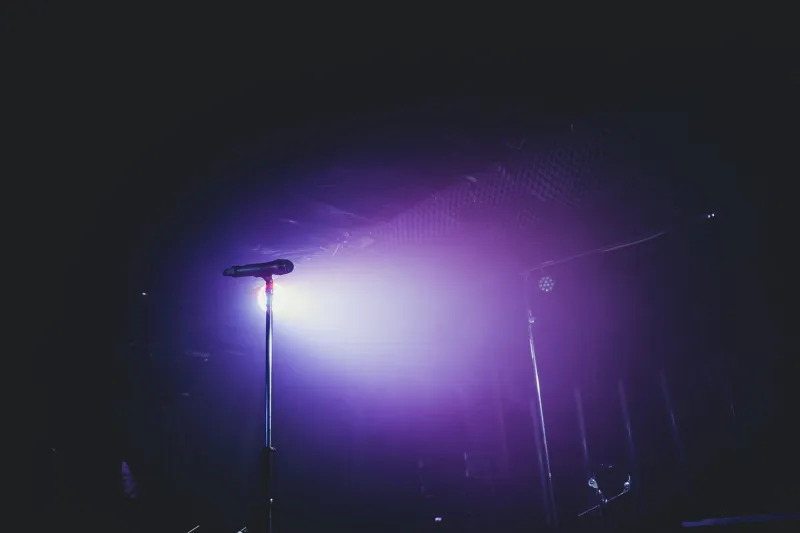
The doors are not open, but the room is not empty. A few dozen people are standing behind a barrier while a tour manager walks the stage, a monitor engineer asks for more of something, and the headliner runs the same chorus four times in a row. This is the soundcheck pass in 2026: not a secret gig, not a meet-and-greet, but a paid look at the part of the day that usually happens while everyone else is still on the train.
Across the UK, early-entry and soundcheck packages are turning up at venues of every size, from grassroots rooms to mid-tier academies. The pitch is simple: get in before the public, watch the artist and crew turn an empty space into a live show, and maybe catch a song or two that will not make the setlist. The reality is more complicated, and more interesting.
The room before the room
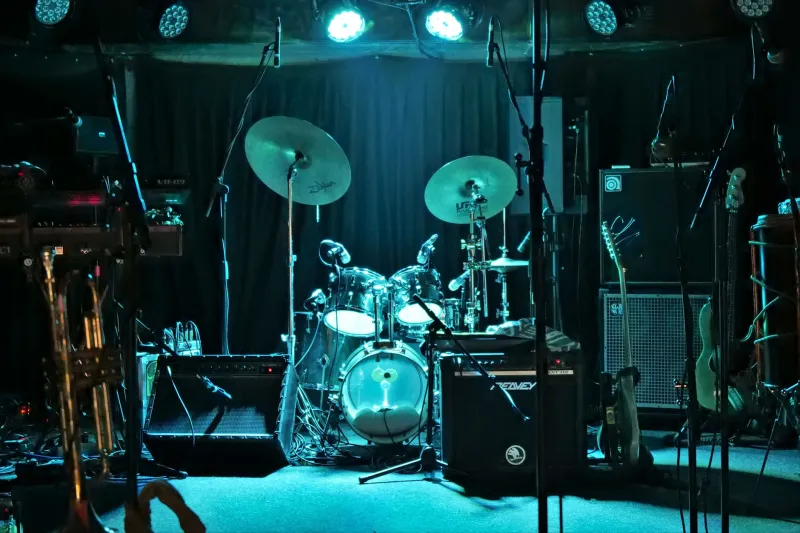
A soundcheck is not a rehearsal with better lighting. It is a series of small, repetitive tasks. Line checks. Monitor mixes. A drum riser moved two inches. A vocalist asking for less reverb, then more, then less again. The crew are not performing for an audience, and the artist is often in a hoodie, saving their voice and their focus.
That is exactly what makes it compelling to some fans. In a culture where so much of live music is packaged into clips and captions, the soundcheck pass offers something that feels unpolished and unposted. You see the work. You hear the room. You watch a song fall apart and get rebuilt. For a certain kind of listener, that is more revealing than a support set.
Why promoters are testing the model
The business case is not as huge as it looks. A limited soundcheck pass might add a few hundred pounds to a small show or a few thousand to a larger one, but it also means earlier staffing, extra insurance checks, clearer crowd management, and a longer day for everyone involved. Promoters are not stumbling into this by accident. They are testing whether a small, well-behaved group can be accommodated without disrupting the build.
Where it works, the pass does three things at once. It gives superfans a reason to buy early. It creates a lower-pressure moment for merch sales. And it turns the venue into a place you spend more time in, rather than a room you enter at the last minute. For artists building a career in 2026, that extra hour of attention can matter more than a bigger poster.
But the model only holds if the access is real. If a fan pays extra and gets 25 minutes of watching a curtain go up, the goodwill disappears fast. The pass has to be honest about what it is.
What artists actually get out of it
Not every artist wants an audience at soundcheck, and that is fair. Some need privacy to fix mistakes, test new arrangements, or deal with a voice that is not cooperating. Others find that a small crowd settles the room. It can take the edge off the pre-show nerves, or it can add a layer of performance pressure to a process that is meant to be technical.
The best versions tend to be bounded. A set time. A clear zone. A no-filming request if the artist is working through material. A short Q&A after the check, not during it. The fan is a guest in someone else's workplace, and the artist is still at work. When that contract is clear, the pass can feel like a genuine extension of the show rather than a backstage tour with a markup.
The fan contract
If you are buying one of these passes, read the listing properly. Is it a soundcheck pass, or just early entry? Will the artist be visible for the whole session, or only for the last ten minutes? Is there a Q&A, a signed item, a merch discount, or barrier access? How many passes are being sold? A room with 40 pass-holders feels very different from a room with four.
And expect the unglamorous bits. You will hear the same bar repeated. You will see crew solving problems. You may be asked to move, stay quiet, or put your phone away. That is not a failure of the experience. That is the experience. The soundcheck pass is not a VIP package in disguise. It is a window into the less polished side of live music, and it only works if both sides respect that.
Genuine access or another upsell?
It can be both. In 2026, the UK live sector is looking for ways to deepen fan relationships without simply raising the price of a standard ticket. A soundcheck pass is a softer sell than a golden circle or a meet-and-greet, because it offers time and context rather than a photo. But it is still a product, and fans are right to ask what they are paying for.
The test is simple: would you still want it if the artist were not famous? If the answer is yes, because you want to see how a show is made, it is probably a good fit. If the answer is no, and you are only buying proximity, save your money and put it towards the merch table.
At Jow Music, the interest is in what these small shifts say about how UK audiences listen now. The soundcheck pass is not the future of gig-going. It is a side door. But side doors can be revealing, and this one is being opened more often. The room gets built either way. The question is whether fans are being let in to watch, or just sold a better view of the wait.