Small Signal, Strong Filter: Inside the Community Radio Shows Breaking UK Acts
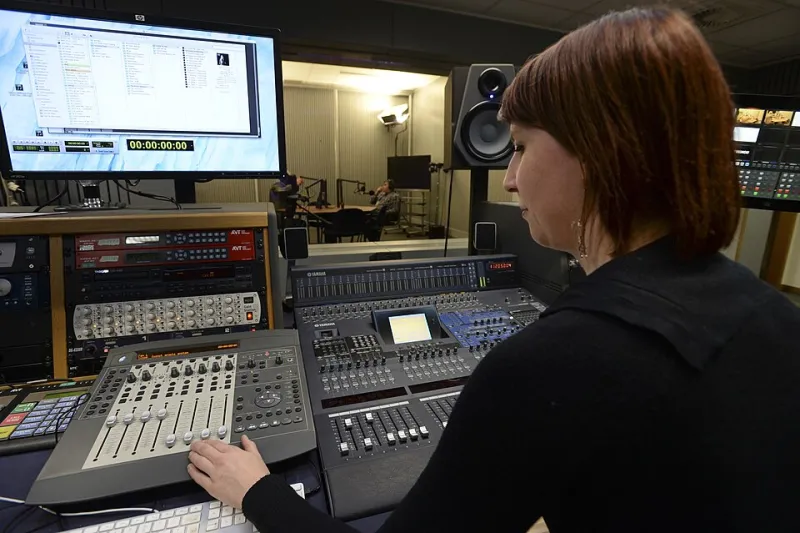
Photo: Europäische Kommission - Audiovisueller Dienst, Etienne Ansotte, CE - Service audiovisuel, EC - Audiovisual Service, Shimera, CC BY 4.0, via Wikimedia Commons
It is just after midnight on a Thursday in Bristol. The studio is small, the tea is strong, and the presenter is playing a track by a band who have never been on a playlist. The band are from ten minutes down the road. They have a self-released single, a gig on Saturday, and no idea that anyone outside their group chat has heard the song. By the end of the show, three people have messaged the station asking who it was. That is how it starts.
Community radio has always been part of the UK music ecosystem, but in 2026 it is doing a very specific job. It is acting as a filter. Not an algorithm, not a taste-maker with a marketing budget, but a human being who knows their patch. Presenters from Bristol to Glasgow are getting to new UK music before the playlists catch up, and artists are starting to treat a local radio session as a real step in a release campaign rather than a nice extra.
How a track gets on
The routes are less mysterious than they look. Presenters listen to submissions, go to local gigs, follow labels and promoters, and talk to other people in the scene. A good community radio show is not trying to be a national chart. It is trying to make sense of what is happening within a certain radius, and then connect it to sounds from elsewhere.
That means the bar for getting played is not always a perfect press shot and a radio edit. It is a track that fits the show, a bit of context, and a reason to care. A presenter in Glasgow tells us they are more likely to play a demo if the artist includes a line about where they are from and what the song is about. Not a full biography. Just enough to place it.
The map from Bristol to Glasgow
There is no single community radio scene. That is the point. A Monday-night show in Bristol might lean towards dub, hip-hop and broken beat. A Sunday-afternoon programme in Glasgow might sit closer to indie, folk and post-punk. A station in Leeds might have a slot for hardcore, a slot for ambient, and a slot for whatever the presenter found that week. The common thread is local knowledge and a willingness to take a chance.
This is why community radio matters for regional scenes. It gives artists a place to be heard without having to move to London or wait for a national broadcaster to notice. It also gives listeners a way to find music that is actually from their area, rather than a generic UK-wide feed. The signal might be small. The filter is strong.
Why the filter works
Algorithms are good at giving you more of what you already like. Community radio is good at giving you something you did not know you liked, because a presenter has put it next to something else. That is a different kind of discovery. It is contextual. It is social. It is repeatable.
There is also trust. A presenter who has been playing local music for years builds a relationship with their audience. When they say this is the best thing to come out of the city this month, people listen. That kind of endorsement is hard to buy. It is also hard to fake.
What makes a good local radio session
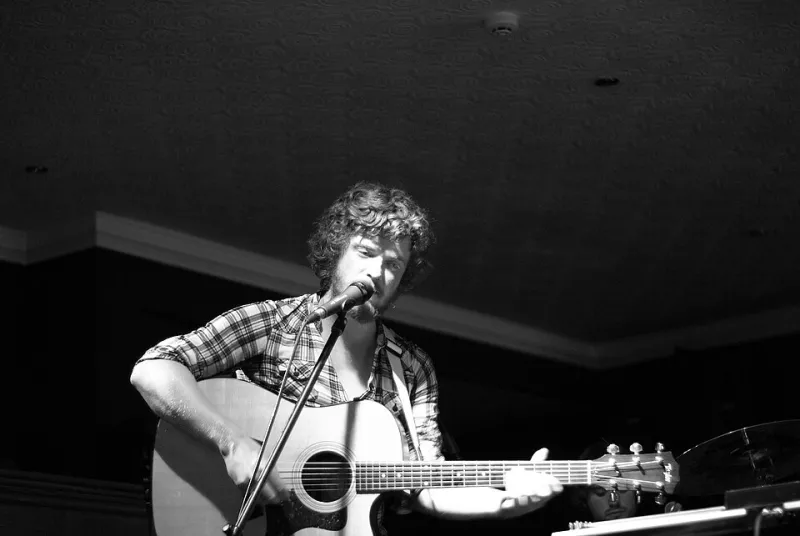
The session is where community radio really earns its keep. A good session is not a full live show with a huge rig. It is usually stripped back: a couple of songs, a short interview, maybe an acoustic version of a track that is normally loud. The point is to capture something that feels alive and specific.
Artists should arrive early, know the running order, and bring what they actually need. A DI box, a tuner, a spare cable, and a clear idea of how to play the songs in a small room. Do not overcomplicate it. The presenters are volunteers, not a festival production team. Be nice, be on time, and send clean metadata afterwards so they can credit you properly.
The limits
Community radio is not a magic bullet. Volunteer burnout is real. Funding is always tight. Some stations have tiny audiences. A play on a local show does not guarantee a sold-out gig or a label deal. But it does something else: it puts an artist into a local conversation. It gives them a recording to share. It gives them a reason to email a promoter and say the station is playing the single.
A 2026 listening guide
If you want to use community radio as a discovery tool this year, start local. Check station schedules rather than waiting for the algorithm to find you. Listen live when you can. Follow presenters on social media. Dig through archives. Note the tracks you like and look them up. Send a message to the show if something lands. That is how these networks stay alive.
For artists, treat community radio as part of the release plan, not an afterthought. Send the track early. Offer a session. Say thank you. The small signal is worth protecting. It is one of the few places left where a new UK act can be heard before they are famous, and where the person playing them actually knows the street they live on.